Welcome to DrCAF
As a crucial component of the tumor stroma, cancer-associated fibroblasts (CAFs) deriving from normal resident tissue fibroblasts or non-fibroblastic lineage upon receiving paracrine signals from cancer cells ( Chen et al., 2019; Han et al., 2020). In addition, CAFs not only directly interacted with cancer cells, but also indirectly participated in the crosstalk with cancer in the form of paracrine signaling ( Maeda et al., 2019; Chou et al., 2012). These cells play a crucial role in the tumor events of proliferation, metastasis, angiogenesis, therapy resistance ( Biffiet al., 2020; Kobayashi et al., 2019; Su et al., 2018; Labernadie et al., 2017). CAFs serve as synthetic machines that produce many different tumor components, which represent an attractive therapeutic target with reduced risk of resistance and tumor recurrence ( Kalluriet al., 2016) .
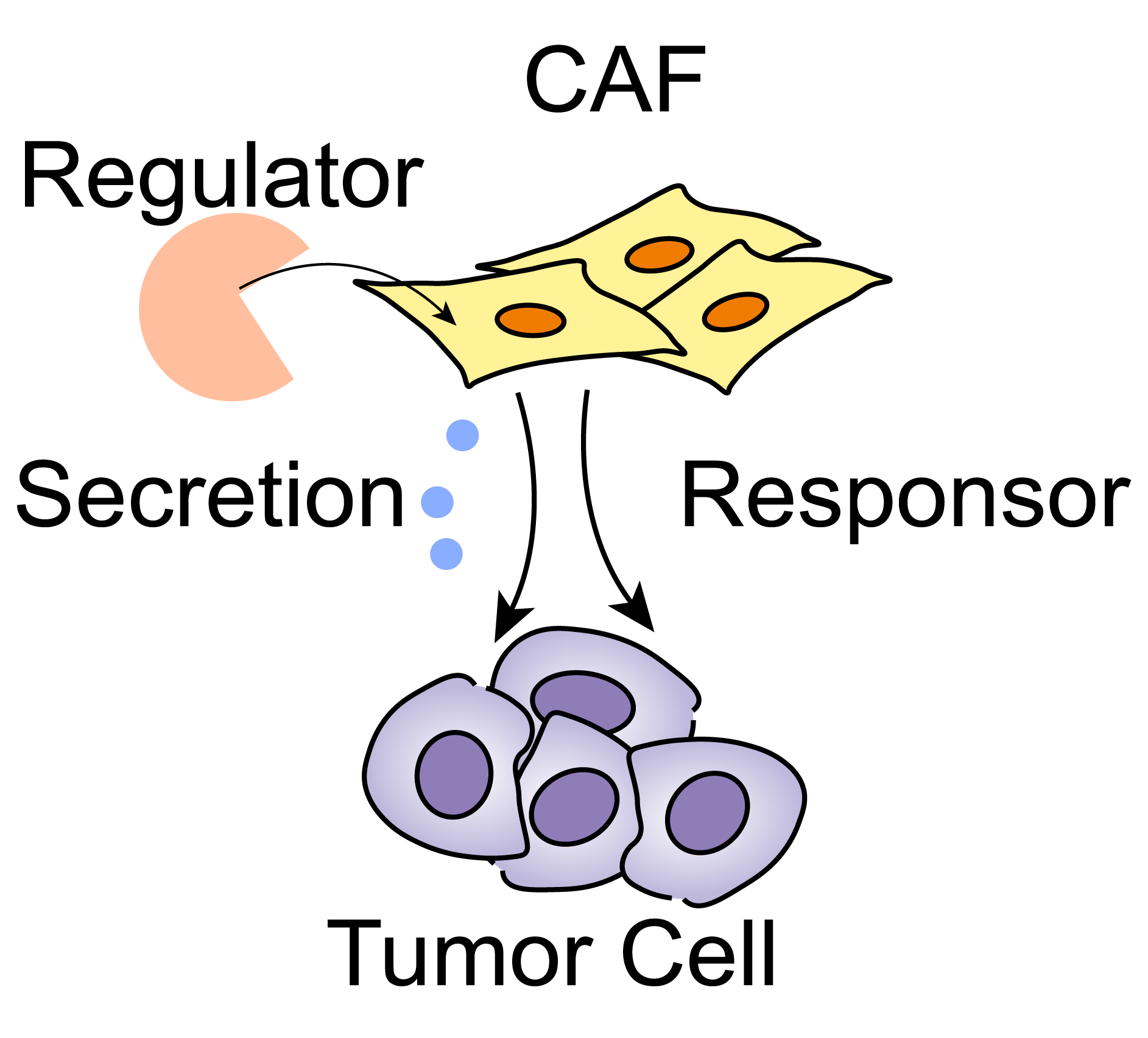
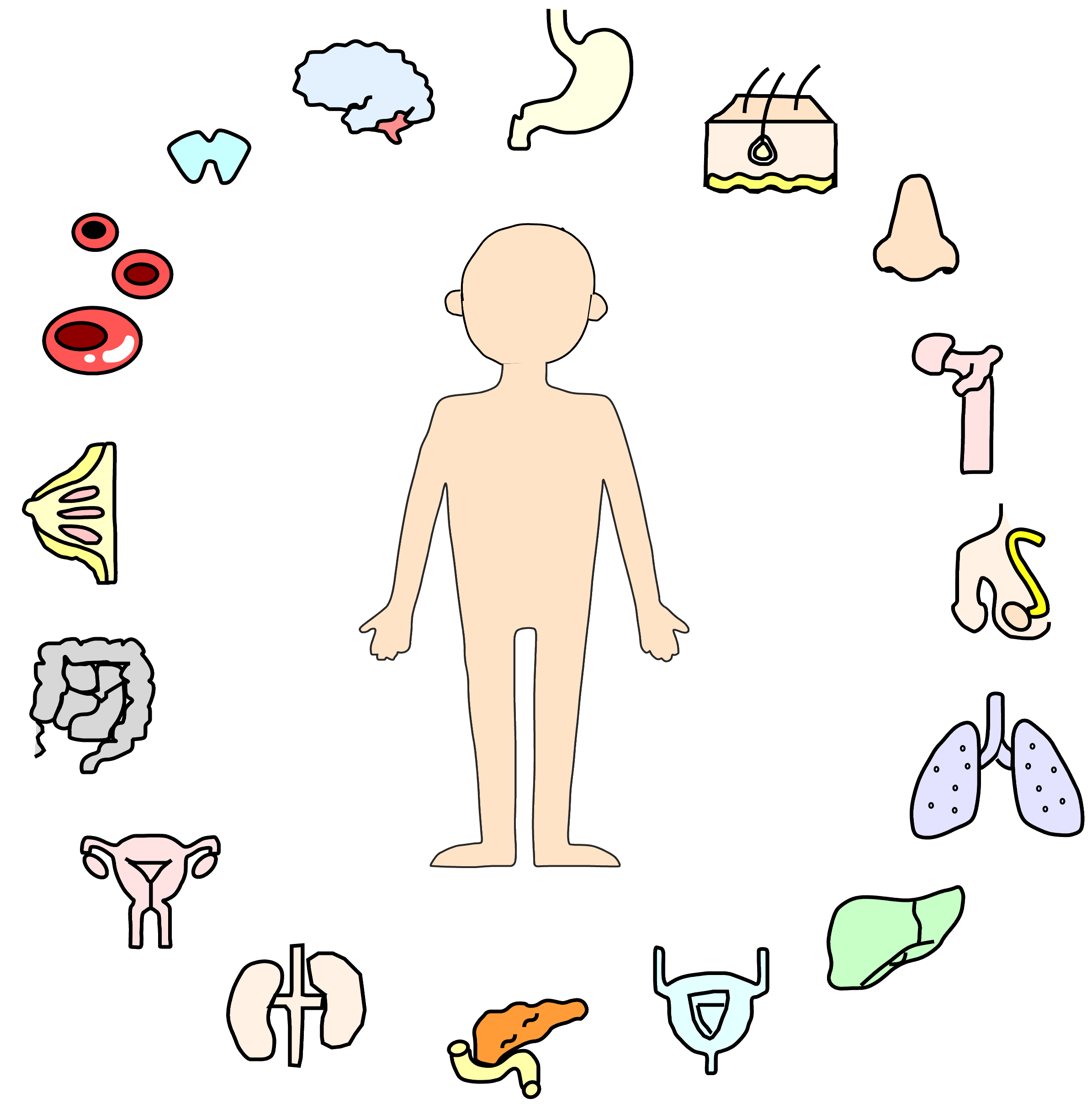
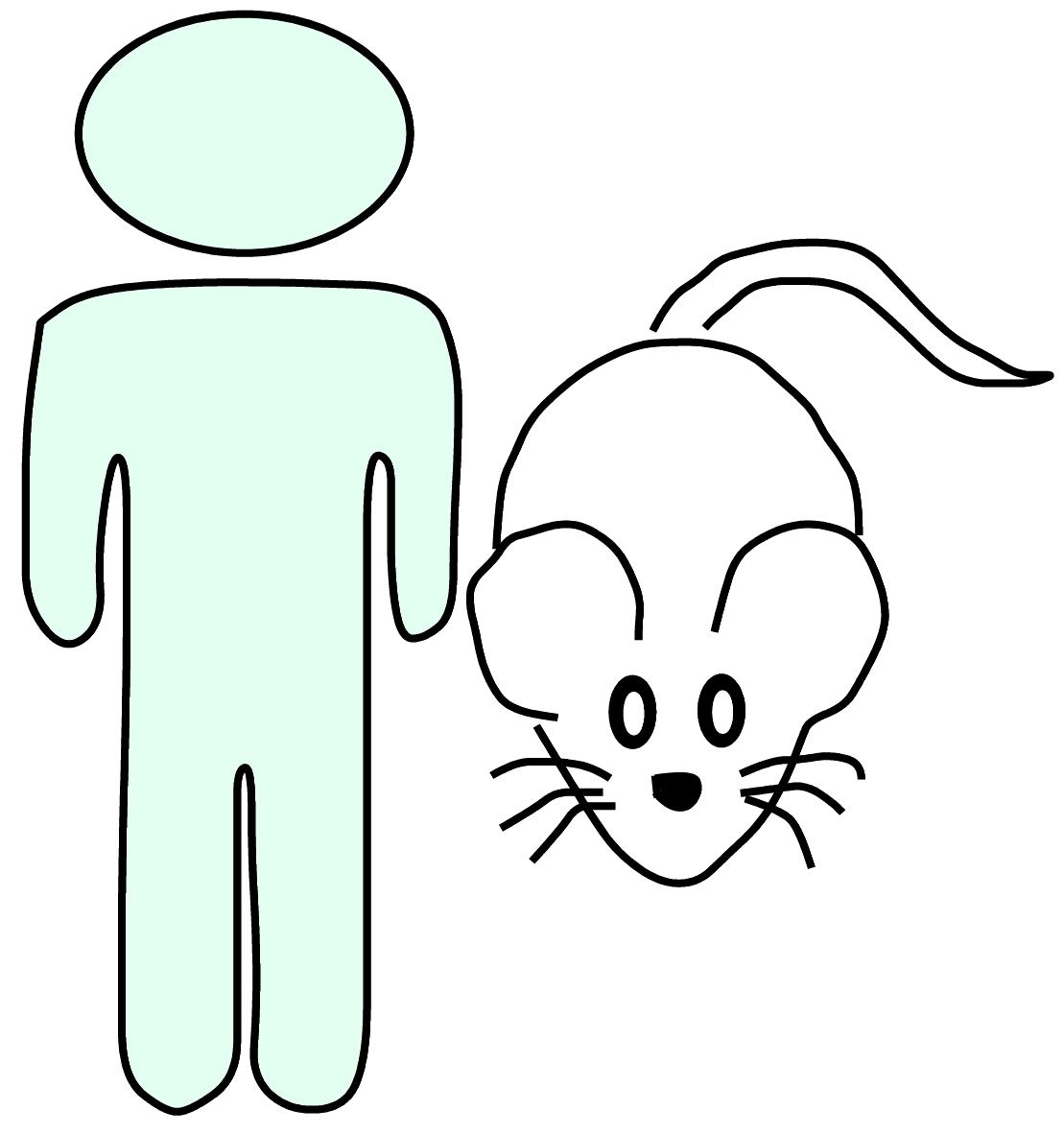
Herein, we presented a data resource of CAF (DrCAF) containing 13,621 entries, which were associated with the function of CAFs that covered 24 cancer types. A total of 5,421 CAF-associated proteins were recorded which belonged to 3 categories, including 4,982 responsors that directly participate in the function of CAFs to cancers, 1,069 secretions that are secreted by CAFs and 281 regulators that contribute in modulating CAFs in human and mouse. Furthermore, we provided annotations for CAF-associated proteins by integrating the knowledge of cancer-associated information, protein-protein interaction(s), drug-target relations and basic annotations, from 6 public databases. The online service of DrCAF was implemented in PHP + MySQL + JavaScript, and all data sets and annotations are freely accessed for all users. We anticipate DrCAF can serve as a helpful resource for further analysis of CAFs, and confirm that the database will be continuously maintained and updated.